
HVAC Insights Blog
Demystifying the 2026 Refrigerant Shift: What Northern Michigan Homeowners Need to Know
If you’ve paid attention to the home improvement world lately, you’ve probably heard whispers about big changes hitting the heating and cooling industry. As of January 1, 2026, the Environmental Protection Agency (EPA) officially banned the installation of brand-new residential cooling systems that use R-410A—the standard refrigerant that has powered almost every home air conditioner and heat pump for the last two decades.
Living here in Northern Michigan, our summers might be short, but our need for reliable, efficient home comfort is year-round. Let’s break down exactly what this industry shift means for your home, your wallet, and your comfort.
What is the 2026 Refrigerant Transition?
The EPA is phasing down hydrofluorocarbons (HFCs) to cut down on environmental impact. R-410A is being replaced by a new class of eco-friendlier alternatives known as A2L refrigerants (most commonly R-454B and R-32).
The big win here is environmental: these new options have a global warming potential that is roughly 70% lower than R-410A. If a leak ever develops, the impact on our beautiful Michigan environment is drastically reduced.
How This Affects Your Current HVAC System
First, take a deep breath: there is absolutely no need to panic or rush out to replace a perfectly working system.
- Your current unit is safe: If your air conditioner or heat pump was installed before 2026 and uses R-410A, it is perfectly legal to keep running it.
- Repairs are still allowed: You can still get your system serviced, maintained, and repaired.
- The catch: Over the next several years, virgin R-410A will become harder to find and more expensive as production continues to phase down. A routine refrigerant recharge on an older unit will naturally cost more down the road.
Buying New? What to Expect with A2L Systems
If your cooling system is pushing 15+ years or constantly breaking down, a replacement will mean stepping into the new generation of A2L equipment. Here is what you will notice:
| Feature | The Old Standard (R-410A) | The New 2026 Standard (A2L) |
|---|---|---|
| Environmental Impact | High Global Warming Potential | ~70% Lower Global Warming Potential |
| Energy Efficiency | Standard baseline | Up to 10% efficiency gains |
| Equipment Safety | Standard sealed system | Built-in leak sensors and automated mitigation |
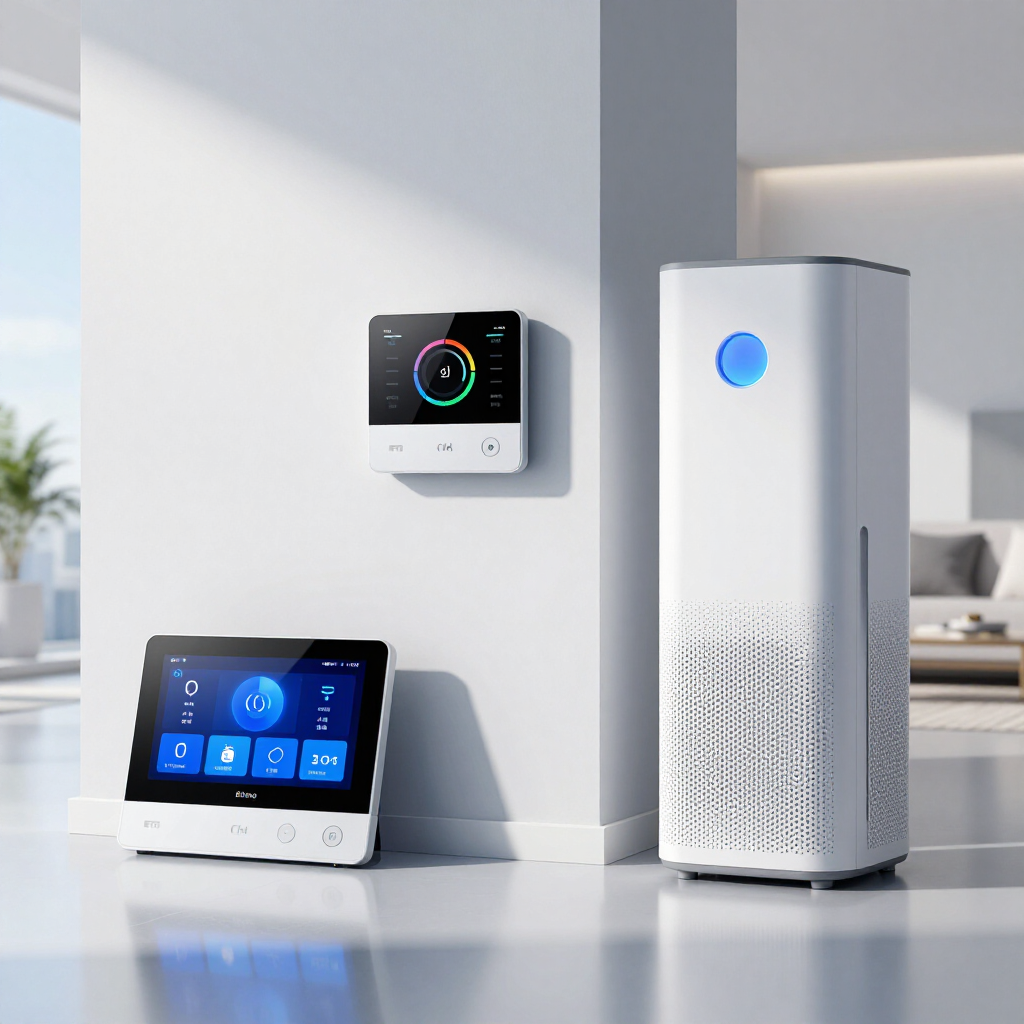
Because A2L refrigerants are chemically classified as "mildly flammable" (meaning they require highly specific, rare conditions to ignite and won’t easily combust under normal home circumstances), manufacturers have upgraded system designs. New units feature advanced sensors and safety controls. Because of these added components and specialized technician training, upfront equipment costs are slightly higher across the industry, but they are offset by better energy efficiency and lower monthly utility bills.
The Cold-Climate Heat Pump Connection
Because we face brutal winter temperatures up here, this refrigerant shift pairs perfectly with another massive industry advancement: Next-Generation Cold-Climate Heat Pumps.
Older heat pumps used to struggle when the temperature dropped below freezing, forcing homeowners to rely on expensive backup electrical heat. Today's modern systems are engineered to maintain up to 76% of their heating capacity even at 0 degrees Fahrenheit. By switching to an upgraded, compliant system, many Northern Michigan families are finding they can efficiently heat and cool their homes with a single system, all while qualifying for aggressive federal tax credits.
At Durkie Heating & Cooling, our team has already completed the specialized training required to test, install, and service these new systems safely and correctly. Whether you want to keep your current system running smoothly or explore an upgrade, we're here to help you navigate the changes.
HVAC Insights Blog